Berlin, Germany (Weltexpress). The IOC’s lifting of the suspension of the Russian Olympic Committee (ROC) has provoked neither a unified nor a particularly strong reaction across the West. Ukraine and the Nordic countries have protested strongly. The major Western governments, however, have remained cautious.
Almost three years after it was imposed, the International Olympic Committee (IOC) provisionally lifted the suspension of the Russian Olympic Committee (ROC) on 7 July 2026. This decision was made possible after the regional sports organisations from the four former Ukrainian territories in the Donbas – which joined the Russian Federation following a referendum in 2022 – were temporarily removed from the Russian National Olympic Committee. It was precisely this – namely the membership of the four Donbas regions in the ROC – that had been used by the IOC at the time as a pretext for the ban against Russia.
The ROC has also undertaken not to carry out any further activities in these regions in future. The IOC announced that it would closely monitor compliance with this commitment. As a direct result, Russian athletes can now take part in international competitions once again – subject to the rules of their respective sports federations.
Remaining restrictions
Despite the easing of restrictions, clear limits remain in place:
– No IOC events will be held in Russia.
– Russian government representatives will not be invited to IOC events.
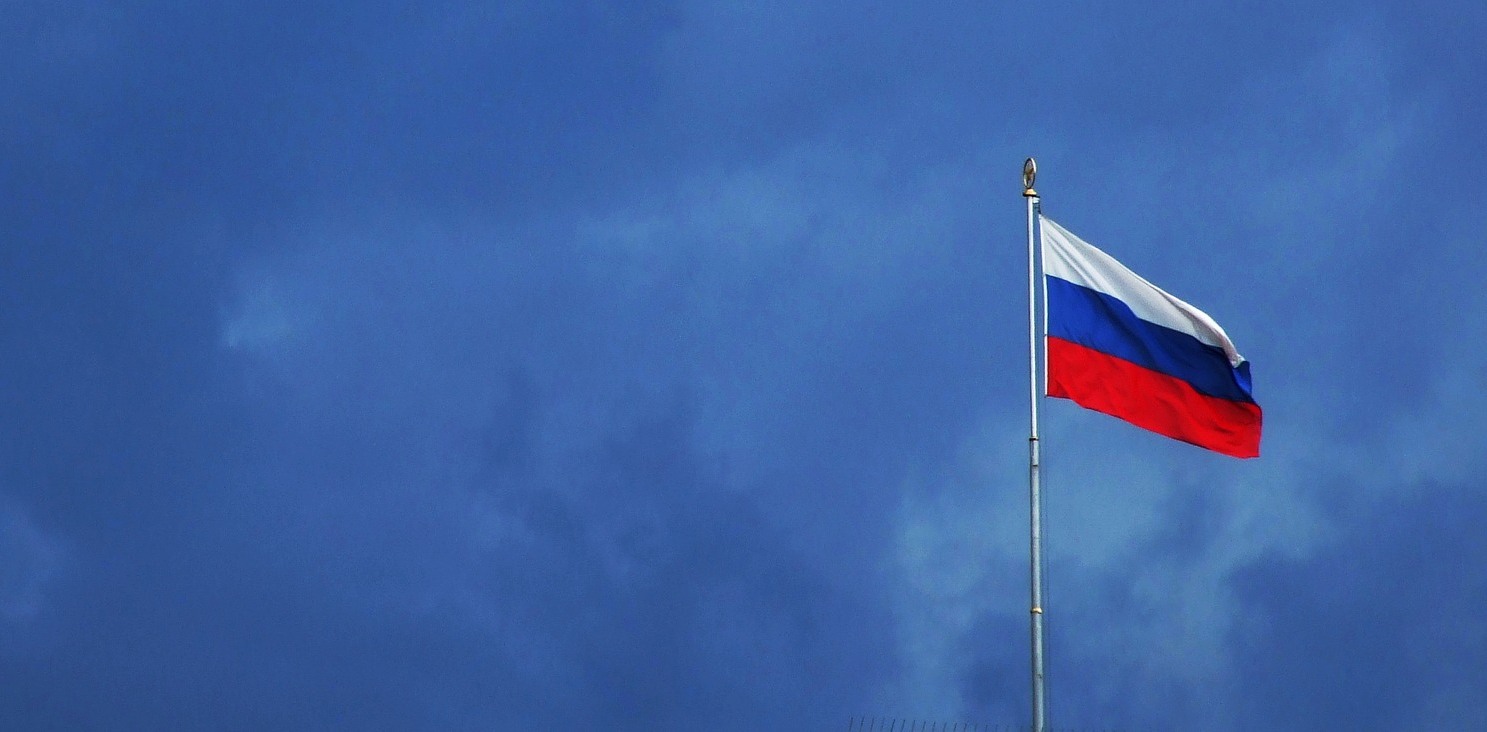
A final decision on the use of the Russian flag, the national anthem and national symbols at the 2028 Olympic Games in Los Angeles is to be taken at a later date.
A political victory for Moscow
Russia’s Minister for Sport, Mikhail Degtaryov, expressly welcomed the decision. He said it meant that Russia was back and “at the negotiating table”. This paves the way for the full return of Russian national teams to international competitions, and to this end he announced further diplomatic efforts.
The lifting of the ban is seen internationally as a clear success for Russia; at the same time, however, it is also viewed as a significant setback not only for Ukraine, but also for all those in the West who had been pushing for the total isolation of Russian sport for years.
However, the exclusion of Russian athletes had caused growing frustration among many international federations over the past three years, as many of these federations rely on the participation of Russian athletes – both for revenue and for the sporting quality of the competitions.
With only a small group of minor Western countries still insisting on Russia’s complete exclusion, maintaining the ban had become increasingly untenable. The IOC’s latest decision therefore marks a turning point: Russian athletes are back on the international stage – under clearly defined, but significantly relaxed, conditions.
Strong opposition from Ukraine
The Ukrainian Ministry of Foreign Affairs described the decision as a “disturbing signal” and called for Russian state symbols to continue to be excluded. The National Olympic Committee of Ukraine (NOC Ukraine) was even more forthright. It “strongly disagreed with the decision of the IOC Executive Board” and described it as “hasty” and “unjustified”. The decision, it said, had been taken without sufficient consideration of the actual circumstances – namely, Russia’s ongoing war of aggression.
Individual Ukrainian athletes have echoed this criticism. The Ukrainian skeleton racer Vladislav Geraskevich, for example – who recently came to prominence due to a controversy over a political message on his helmet – described the IOC’s decision as “absolutely shameful” and “the wrong decision”. He called on other National Olympic Committees to take a united and clear stance, and even raised the possibility of visa bans and a boycott.
The Baltic states in particular, along with other Nordic countries, levelled sharp criticism at the IOC’s decision. The Norwegian Olympic and Paralympic Committee, for example, took a clear stand against the return of Russian athletes to the international stage.
Surprising restraint from the major Western countries
There were few official statements from the National Olympic Committees and hardly any direct reactions from governments in major Western countries such as the US, the UK, Germany, Poland or France. Media reports speak of “negative reactions in some quarters” and “strong opposition, particularly from European sports leaders” – yet there has been no broad, unified rejection.
Some international sports federations (e.g. FIFA) announced that they would first analyse the decision and then proceed on a case-by-case basis. However, some other international athletes’ organisations, such as Global Athlete and FairSport, sharply criticised the IOC, accusing it of lowering standards and undermining the principles of the Olympic ideal, whilst at the same time failing to call for action against the Israeli and US aggressors waging war against Iran and the perpetrators of genocide in the Gaza Strip.
IOC President Kirsty Coventry defended her organisation’s decision, arguing that athletes should not be punished for the actions of their governments. At the same time, she stated that the condemnation of Russia’s war of aggression remains in place, and that developments would continue to be closely monitored. Russian government representatives remain excluded from the events.
Conclusion
The reactions of other nations have so far been significantly more moderate than those of Ukraine. Whilst Russia is rightly celebrating the decision as a success and some Nordic sports federations are protesting, most Western governments are keeping a low profile. Many seem to be leaving further developments to the respective sports federations. It remains to be seen whether a broader critical stance will emerge in the coming days and weeks – particularly against the backdrop of the ongoing qualification process for the 2028 Olympic Games in Los Angeles.