Berlin, FRG (Weltexpress). Almost every day, there are reports of new acts of malice, but we should not lose sight of the big picture.* With the rift between the US and the other NATO countries triggered by Donald Trump, a tipping point has been reached in both European and international politics. As uncertainty grows day by day, the era of the “rules-based international order” is coming to an end as the collective West flouts international law. The Global South and Russia, representing the vast majority of the world’s population, are no longer willing to tolerate paternalism and oppression by the US and its vassals. It is becoming increasingly clear that the future lies with BRICS and the Belt and Road Initiative.
Whatever the imperial policy of the US government under Trump or other presidents may be, from a global perspective, we are on the verge of realizing new socio-political ideas based on humanity and the equality of people and nations, in other words, on the principles enshrined in the Charter of the United Nations. It is true that representatives of capital interests are implementing increasingly harsh measures to control and subjugate their populations, and the majority of Western states, including Germany, have long been on a slippery slope toward totalitarianism. But the bow has been overdrawn, not least by the illegal presumptions of the EU Commission tolerated by the member states of the European Union, including the sanctioning of resistant journalists.
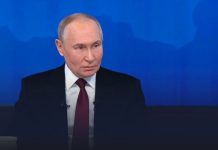
Donald Trump is still trying to delay the bankruptcy of the US at the expense of its vassals, but the only way out for them is to reflect on their formerly good contacts with Russia and China. It is to be hoped that the opportunity offered will be recognized and seized. For Germany in particular, particularly advantageous economic relations had developed with Russia for both sides. It is important to build on this again while Vladimir Putin is still president. He is known to be pro-German and, despite massive personal hostility until recently, has repeatedly offered peaceful, constructive cooperation. This does not mean abandoning transatlantic relations. Rather, a neutral Germany would have to remain open to both overseas and eastern partners.