Berlin, Germany (Weltexpress). No, it is not just ‘frugal’ and ‘spendthrift’ states that are currently wrangling over the next EU budget; Brussels itself is the third party involved. And apart from higher contributions, the issue also concerns more debt and new taxes …
The EU heads of state are currently meeting in Brussels to discuss the next EU budget – officially known as the Multiannual Financial Framework. It covers the years 2028 to 2034 and was actually supposed to be adopted before the end of the year; but at the moment, it doesn’t look as though that will happen. Quite the opposite, in fact. The problem? Too many conflicting interests. In fact, in recent years the EU has drifted apart economically rather than moving closer together, and there is still plenty of potential for conflict lurking beneath the surface, not least in the highly divergent interest rates that member states have to pay when taking on debt.
The EU has always been divided into two main camps, as there are Member States that make a net contribution towards their membership and those that receive a net payment for it. When people currently speak of the ‘frugal’ countries and the ‘friends of cohesion’, this division is based on financial circumstances insofar as all the ‘frugal’ or ‘thrifty’ countries are net contributors: Germany, Austria, Sweden, Denmark, the Netherlands and Finland. But not all net contributors belong to this group.
The fact that these two groups are at loggerheads over the size of the budget naturally stems from their own interests – those who have to fill the pot do not want to put any more in, whilst those who draw from it are delighted if they can draw more. Ultimately, the problem is inherent in the very structure of the system, for as soon as the recipients of payments have a say in how much funding is made available to them, the general direction is, in principle, already clear. This holds true always and everywhere.
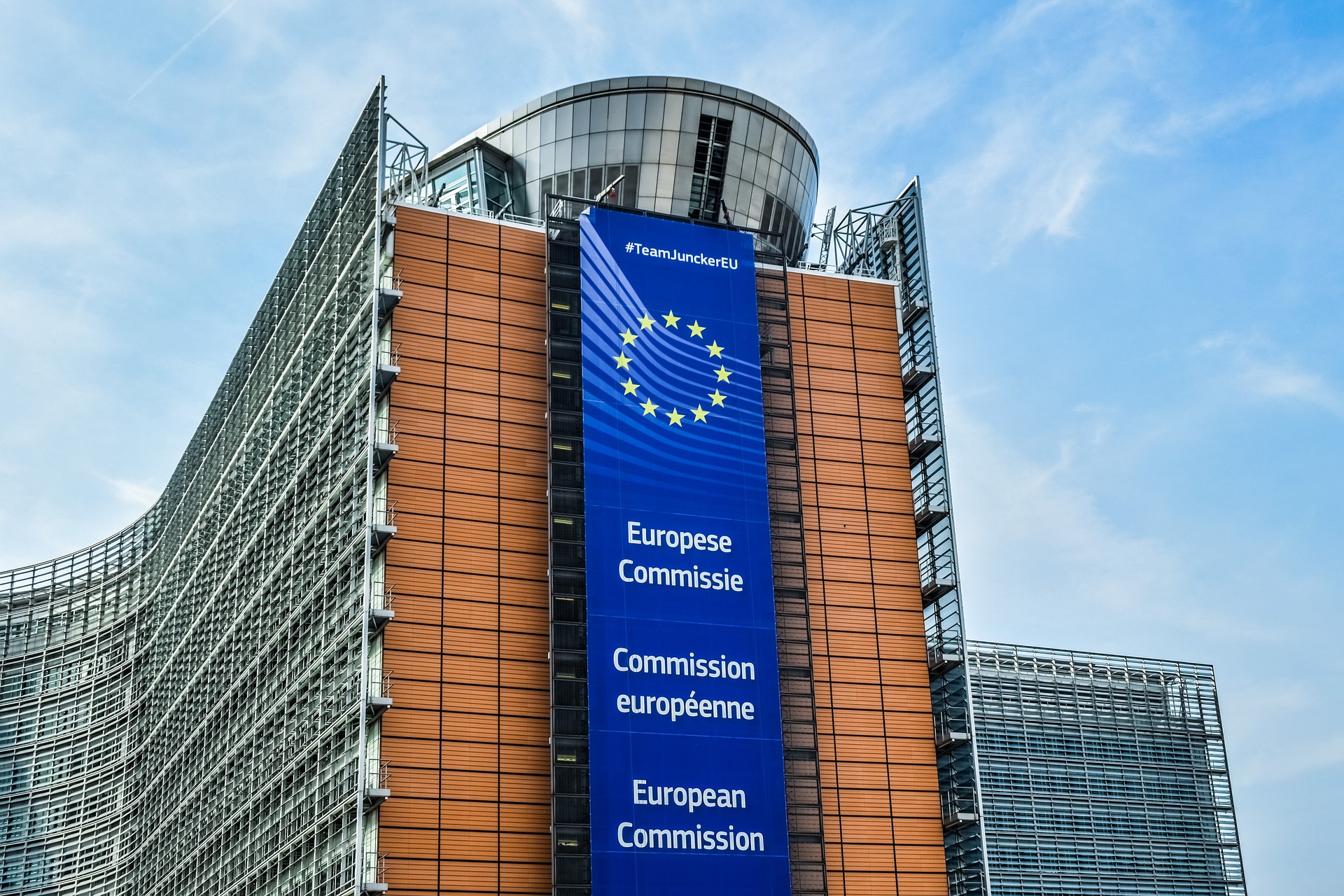
However, there is a third player at the table, namely the Brussels bureaucracy with its constant drive to finally become a state in its own right. Even if it therefore agrees with the ‘cohesionists’ on expanding the budget, that is by no means to say that they are really pulling in the same direction.
This is because Brussels is also putting forward a series of proposals designed to strengthen its influence over how funds are spent. These include making it easier to shift funds from one budget line to another if the number of budget lines is reduced; ensuring that unclaimed funding remains in Brussels rather than being returned to the Member States, as has been the case to date; and setting up various emergency funds. Last but not least, there is the fact that not only is the credit line for the COVID-19 Eurobonds under NextGenerationEU to be extended, but new loans of this kind are also to be added where possible. In other words, Brussels, too, wants more money – but to have it at its own disposal, rather than passing it on to the net recipients.
The Brussels bureaucracy also wants to find new ways to raise its own funds: through its own corporation tax for companies with a turnover exceeding 100 million, but also through a share of tobacco and CO₂ taxes. The corporation tax, too, will ultimately result in price increases for the end consumer. For net contributors such as Germany, access to these other taxes means that the amounts they have to pay will increase further.
Incidentally, the payments from the COVID-19 fund are another reason why, at the moment, there are no conciliatory tones coming from Germany in particular when it comes to the EU budget. This fund now amounts to around 800 billion euros, a large part of the EU’s current debt mountain of 856 billion euros, which must, however, be repaid from 2028 onwards; and once again, the largest contributor is Germany, which will ultimately probably have to repay up to 150 billion euros more than it received from the fund itself. The fact that Italy was one of the largest net recipients from this fund is likely to have contributed to its current membership of the ‘Friends of Cohesion’.
As early as last summer, the European Commission had presented its initial proposal, which stood at around two trillion euros. Most recently, the Irish Government, which currently holds the Council Presidency, put forward a slightly more frugal version, which is 140 billion lower. However, this draft is still 30 per cent higher than the last budget. What for some is merely a adjustment to account for inflation – which has risen significantly during the current multiannual budget period (primarily due to energy costs driven up by sanctions) – is, for others, an increase that far exceeds what can be financed in times of difficult economic conditions. The governments of the net contributor countries ultimately face the problem of having to explain to their voters why cuts are being made across the board in their own countries, whilst contributions to the EU are rising.
“We need unanimity in the Council, and we are a long way from achieving that,” explained Chancellor Merz before the meeting began. “We must significantly reduce the common budget compared with the Commission’s proposals.” He also called for a reduction in the “excessive bureaucracy in Europe”.
However, it is the Eastern European states in particular that are hoping for more. The Latvian Prime Minister, Andris Kulbergs, for instance, called for more money for the “countries on the eastern flank”, arguing that they, after all, have to secure the borders … although it is likely that the fact that these very countries have, in some cases, suffered massive economic losses as a result of a sanctions policy which they themselves had called for also plays a role here.
According to Austrian Chancellor Christian Stocker, the Irish proposal is “no basis” for an agreement, “because the figure is too high”.
The pressure to reach an agreement as quickly as possible stems from upcoming elections. France is due to hold elections next spring; after that, the negotiations are likely to become far more complicated. Could the Merz government in Germany fall? From then on, all predictions are up in the air.
Meanwhile, ordinary EU citizens can consider whether they can still think of any benefits that this bureaucratic hydra brings them, or whether the disadvantages now far outweigh the benefits. Not to mention the horrors that still loom, from regulations on agriculture to the curtailment of freedom of expression. Incidentally, proposals from six Member States to postpone the next stage of CO₂ taxation until 2030 have already failed. But as long as none of the three major countries – France, Italy and Germany – breaks away, everyone remains trapped under Brussels’ yoke.
At least there was one entertaining anecdote from the sidelines of the Brussels summit. The US had proposed transferring part of the Russian assets frozen in Europe to a US-controlled body so that the US could use them to exert pressure on Russia. Chancellor Merz replied: “That is our business, and we will decide on it.” The EU prefers to resort to blackmail itself.
Note:
See the article
in WELTEXPRESS.